
- February 18, 2026
The Frontline Revolution: Why Strengthening Primary Healthcare is the Future of Global Health
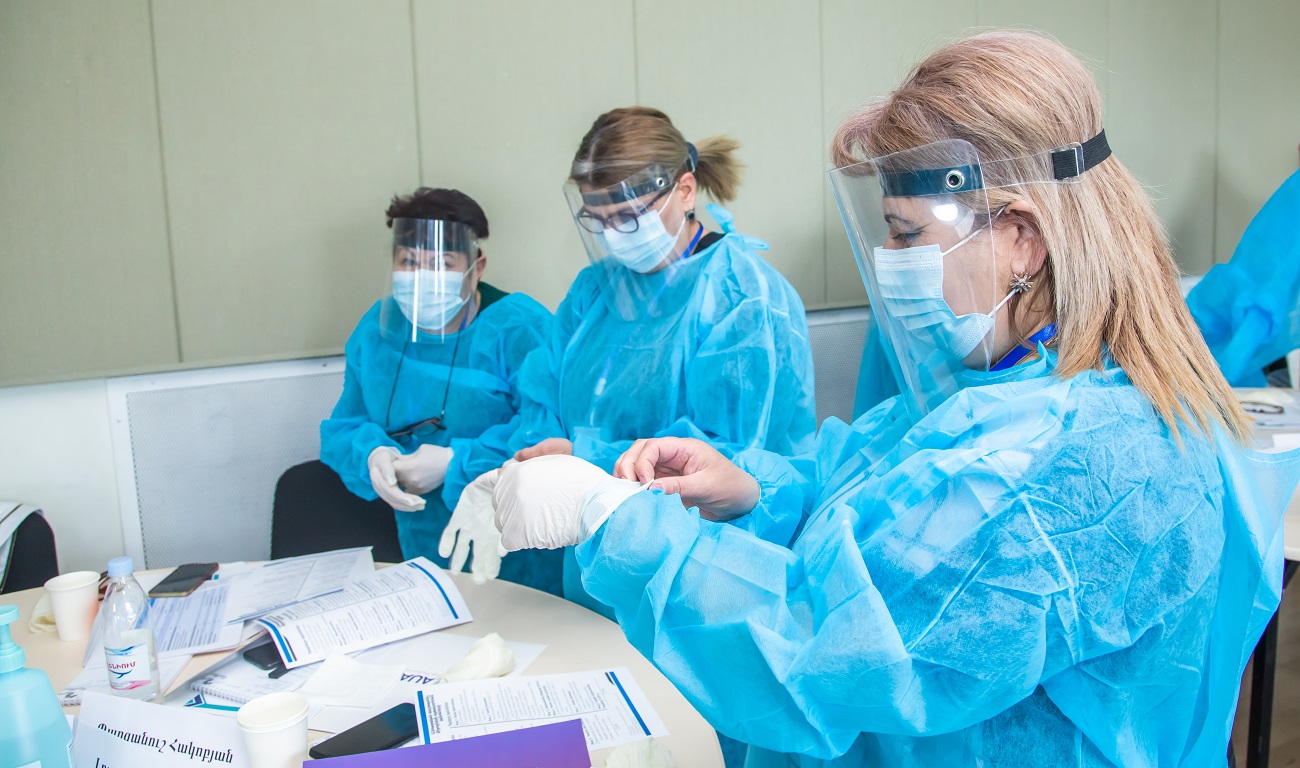
The Frontline Revolution: Why Strengthening Primary Healthcare is the Future of Global Health
The strength of a nation is often mirrored in the health of its citizens. As global health systems face unprecedented pressures—from aging populations to the rise of chronic lifestyle diseases—the focus is shifting away from massive, specialized hospitals toward the foundation of the system: Primary Healthcare (PHC). Strengthening this “frontline” is no longer just a medical recommendation; it is an economic and social imperative.
The Shift from Reactive to Proactive Care
For decades, healthcare has been largely reactive, focusing on treating advanced illnesses in expensive clinical settings. Strengthening PHC flips this script. By prioritizing early detection, vaccinations, and routine screenings, primary care stops minor health issues from escalating into life-threatening emergencies. When we invest in local clinics and family practitioners, we create a “gatekeeper” system that ensures hospital beds are reserved for those who truly need them, significantly reducing the burden on the entire medical infrastructure.
Empowering Communities Through Accessibility
A “smart” health system is one that meets people where they live. Strengthening PHC means decentralizing expertise. This involves:
- Integrating Digital Health: Leveraging telemedicine and mobile health apps to connect rural patients with specialists instantly.
- Supporting Health Workers: Empowering community health workers who understand local cultural nuances, ensuring that medical advice is not just heard, but followed.
- Focusing on Mental Wellbeing: Moving mental health services out of specialized institutions and into primary clinics to destigmatize and normalize psychological support.
The Economic Ripple Effect
The financial argument for PHC is undeniable. According to the World Health Organization (WHO), scaling up PHC interventions in low- and middle-income countries could save millions of lives and increase average life expectancy by nearly four years. Beyond survival, it prevents “medical poverty.” By providing affordable preventive care, families are protected from the catastrophic out-of-pocket expenses that often follow a late-stage diagnosis. A healthy workforce is a productive workforce, making PHC a direct driver of national GDP growth.
Building Resilience for the Next Crisis
The COVID-19 pandemic taught the world a harsh lesson: systems that rely solely on hospitals crumble under the weight of a surge. Countries with robust primary healthcare networks were able to maintain routine immunizations, manage mild cases at home, and distribute accurate information rapidly. Strengthening PHC is essentially building a “health immune system” for the planet, preparing us to detect and contain the next outbreak before it becomes a pandemic.
The Path Forward
True health equity begins at the local clinic. By combining smart technology, community rebeccasingsonmd.com empowerment, and sustained political will, we can transform healthcare from a luxury of the few into a right for all. The future of medicine isn’t just found in high-tech operating rooms; it is found in the trusted relationship between a patient and their primary care provider.
Tags
What do you think?
Related Articles
Rapid Transfer Casinos: Alles, was Sie wissen müssen
Willkommen bei unserem Expertenartikel über Rapid Transfer Casinos. Als erfahrener Copywriter mit 15 Jahren Erfahrung im Bereich des Online-Glücksspiels habe ich zahlreiche Online-Casinos getestet und